


Poland has become one of the most attractive destinations in Europe for real estate buyers and investors. Its membership in the European Union, stable legal framework, transparent property registration system, and relatively affordable prices compared to Western Europe make Poland a strong alternative for both residential buyers and long-term investors. Cities such as Warsaw, Kraków, Wrocław, and Gdańsk continue to attract international interest due to their economic growth, quality of life, and rental potential.
This guide provides a comprehensive overview of buying property in Poland, covering legal requirements, foreign ownership rules, purchasing procedures, costs, and investment considerations in a clear and practical way.
Schedule a Free Consultation Now!Why Buy Property in Poland?
Contents [hide][show]
- 1. Why Buy Property in Poland?
- 2. Who Can Buy Property in Poland?
- 3. Legal Framework of Property Ownership in Poland
- 4. Property Types in Poland
- 5. Main Rules for Foreign Buyers
- 6. Step-by-Step Buying Process in Poland
- 6.1. Market Research and Property Selection
- 6.2. Preliminary Agreement
- 6.3. Notarial Sale Agreement
- 6.4. Registration and Ownership Transfer
- 7. Costs and Taxes When Buying Property
- 8. Financing and Mortgage Options
- 9. Rental Income and Investment Potential
- 10. Long-Term Ownership and Resale
- 10.1. Frequently Asked Questions About Buying Property in Poland
One of Poland’s main advantages is the balance between price, legal security, and market potential. While many European countries have experienced significant price inflation, Poland continues to offer accessible entry points, especially when compared to Western and Northern Europe. At the same time, demand for housing remains strong due to internal migration, international business activity, and a growing population in major urban centers.
Another important factor is Poland’s centralized and transparent land registry system. Property ownership is recorded in the Land and Mortgage Register, which is publicly accessible and ensures a high level of legal certainty. Buyers can verify ownership status, mortgages, and legal restrictions before completing a transaction, significantly reducing risk. To better understand the broader investment landscape beyond real estate, including key economic trends and strategic sectors, investors can explore detailed guidance on investment in Poland.
Who Can Buy Property in Poland?
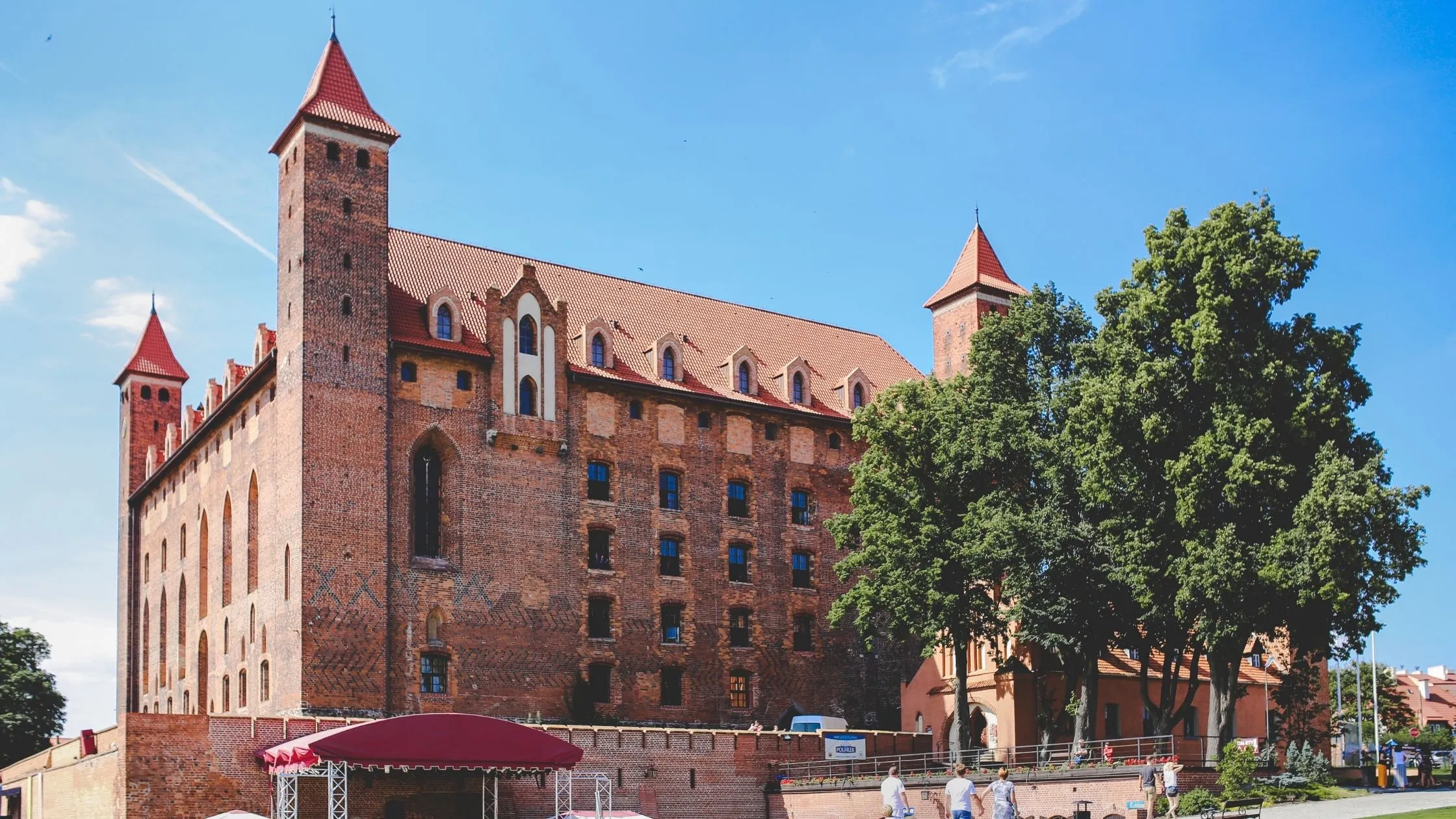
The right to purchase property in Poland depends primarily on the buyer’s citizenship status. There are different rules for European Union citizens and non-EU nationals.
Citizens of the European Union, the European Economic Area, and Switzerland enjoy nearly the same rights as Polish citizens. They may freely purchase residential and commercial properties, as well as most types of land, without needing special authorization.








Non-EU citizens are subject to additional regulations, but purchasing property in Poland is still very much possible. Apartments located in multi-unit residential buildings are the most common and accessible option for non-EU buyers and often do not require special permits. However, the purchase of detached houses, land plots, or agricultural land may require approval from the relevant authorities, depending on the type and location of the property.
Legal Framework of Property Ownership in Poland
All real estate transactions in Poland are governed by civil law and must be completed before a notary public to be legally valid. Private agreements signed outside a notary’s office do not transfer ownership, even if both parties agree.
Once the sale agreement is notarized, the property is registered in the Land and Mortgage Register. This registration officially transfers ownership to the buyer. The registry also contains information about mortgages, easements, and other legal encumbrances, providing full transparency throughout the transaction process. Foreign buyers should also be aware that property transactions may involve additional legal considerations, making it important to understand the broader legal environment, including intellectual property law in Poland when investing or conducting business activities in the country. very unclear. i dont think we should mention intellectual property law here, it has nothing to do with property purchase.
Property Types in Poland
The Polish real estate market includes a wide range of property types such as apartments, detached houses, commercial premises, and land plots. From the perspective of foreign buyers, independent residential apartments are generally the simplest and safest option.
Newly built properties often meet modern construction standards and energy efficiency requirements, while secondary market properties may offer better locations in established neighborhoods. Commercial properties, including offices, retail spaces, and warehouses, are popular among investors seeking long-term rental income.
Main Rules for Foreign Buyers
- EU, EEA, and Swiss citizens may purchase property without restrictions
- Non-EU citizens can usually buy apartments without special permits
- Detached houses, land plots, and agricultural land may require authorization
- Certain exemptions apply for long-term residents or family-related acquisitions
- All property purchases must be completed through a notary public
Step-by-Step Buying Process in Poland

Market Research and Property Selection
The purchasing process begins with market research and identifying the right location. Warsaw offers strong economic fundamentals and high rental demand, while cities such as Kraków and Wrocław provide a balance between lifestyle appeal and investment potential. Coastal cities like Gdańsk attract buyers interested in tourism-driven rental income.
Preliminary Agreement
Once a suitable property is selected, a preliminary agreement is usually signed. This agreement reserves the property and outlines the key terms of the transaction. A deposit is typically paid at this stage to secure the buyer’s commitment.
Notarial Sale Agreement
The final sale agreement must be signed before a notary public. The notary verifies the legal status of the property, checks land registry records, confirms the identities of the parties, and ensures compliance with Polish law. This step formally initiates the transfer of ownership.
Registration and Ownership Transfer
After notarization, the notary submits the application for registration to the Land and Mortgage Register. Once the registration is completed, the buyer becomes the legal owner of the property.
Costs and Taxes When Buying Property
In addition to the purchase price, buyers should consider several transaction-related costs. Secondary market properties are generally subject to a property transfer tax, while newly built properties typically include value-added tax in the sale price. Notary fees, land registry fees, and real estate agency commissions may also apply.
Overall, total transaction costs are moderate compared to many other European countries and should be factored into the buyer’s budget from the outset. Given the tax implications and ongoing financial obligations related to property ownership, many foreign buyers choose to work with professional tax & consultancy services in Poland to ensure compliance and effective financial planning.
Financing and Mortgage Options
Foreign buyers may apply for mortgage financing through Polish banks, although lenders often require higher down payments and thorough income verification. Depending on personal circumstances, some buyers choose to finance the purchase with personal funds or international financing arrangements.
Rental Income and Investment Potential

Poland’s rental market is supported by strong demand in major cities, driven by students, professionals, and international residents. Long-term rentals offer stable income, while short-term rentals can be attractive in tourist-focused locations.
Real estate in Poland is commonly viewed as a reliable asset class, offering a combination of rental income and potential capital appreciation over time. Foreign investors who plan to operate rental businesses or property management companies may also benefit from understanding company formation in Poland to structure their real estate ventures effectively.
Long-Term Ownership and Resale
Property ownership in Poland is generally considered secure and well-protected under the law. Depending on the holding period and individual circumstances, favorable tax treatment may apply upon resale. For this reason, many buyers approach the Polish market with a long-term perspective.
Buying property in Poland offers a compelling combination of legal transparency, market stability, and investment potential. Whether the goal is personal residence, rental income, or long-term capital growth, Poland’s real estate market provides solid opportunities for foreign buyers when approached with proper planning and professional guidance.
Frequently Asked Questions About Buying Property in Poland
Can a foreigner buy a house in Poland?
Yes, foreigners are allowed to buy property in Poland. Non-EU citizens may need special permission for certain types of properties.
Is it worth buying property in Poland?
Yes, Poland offers strong rental demand and relatively affordable property prices compared to many European countries. Its transparent legal system also makes property investment attractive.
How much money do I need to buy a house in Poland?
The required budget depends on the city, location, and property type. Buyers should also consider additional transaction costs when planning their budget.