


Starting a business in Europe can offer entrepreneurs significant advantages, from access to the European Single Market and strong infrastructure to favorable tax systems and investment opportunities. However, each country has different company formation requirements, corporate tax rates, operating costs, and regulations. Choosing the right country can therefore have a direct impact on the long-term success and profitability of your business.
Strategic Advantages of the Hungarian Market
Beyond its favorable tax climate, Hungary offers a robust ecosystem designed for rapid business growth:
- Fast-Track Incorporation: The process of company formation in Hungary is remarkably streamlined. The country features an efficient registration system that can often be completed within a few business days, allowing founders to move from concept to operation almost immediately.
- Central European Logistics Hub: Situated in the heart of Europe, Hungary provides seamless access to both Western and Eastern European markets, making it an ideal base for manufacturing, logistics, and e-commerce.
- Skilled Talent Pool: Investors benefit from a highly educated, multilingual workforce, particularly in technical sectors such as IT, engineering, and R&D.
- Investment Incentives: The Hungarian government provides various grants and cash subsidies for foreign direct investment (FDI), particularly for companies focusing on high-tech innovation and export-oriented services.
Why Hungary is a Top Choice for Global Founders
For those looking to establish a European headquarters with low overhead costs and a strategic market position, Hungary stands out as a clear leader. The combination of the EU’s lowest corporate tax, a stable legal framework, and reduced administrative barriers creates a high-performance environment for any new venture.
Why Europe Remains a Top Destination for Entrepreneurs in 2026
Contents [hide][show]
- 0.1. Strategic Advantages of the Hungarian Market
- 0.2. Why Hungary is a Top Choice for Global Founders
- 1. Why Europe Remains a Top Destination for Entrepreneurs in 2026
- 2. Key Factors to Consider When Choosing a European Country for Business Formation
- 2.1. Corporate Tax Rates
- 2.2. Company Formation Costs and Requirements
- 2.3. Market Access and Business Environment
- 3. Best European Countries to Start a Business
- 4. Estonia: Europe’s Digital Business Hub
- 5. Hungary: Low Corporate Tax and Strategic Location
- 6. Poland: Rapidly Growing Economy and Investment Opportunities
- 7. Germany: Europe’s Largest Economy for Long-Term Growth
Europe continues to be one of the most attractive regions for entrepreneurs looking to establish and expand their businesses. With access to the European Single Market, developed infrastructure, skilled workforce, and diverse investment opportunities, European countries offer a strong environment for both startups and established companies.
In 2026, favorable tax policies, digitalized company formation processes, government incentives, and international trade opportunities further increase Europe’s appeal. Entrepreneurs can also choose between countries with different advantages, allowing them to select a business environment that best matches their industry, budget, and growth strategy.
Key Factors to Consider When Choosing a European Country for Business Formation
Choosing the right country is one of the most important decisions when starting a business in Europe. Entrepreneurs should consider more than just the corporate tax rate. Company formation costs, legal requirements, administrative procedures, access to the European market, workforce, and ongoing operating expenses can all affect the success of a business.
The best country will depend on the company’s industry, business model, target market, and long-term growth plans. While some countries stand out for their low taxes and simple incorporation procedures, others offer stronger infrastructure, larger consumer markets, or better opportunities for international trade.
Corporate Tax Rates
Corporate tax is one of the key factors to consider when selecting a country for business formation. Countries with competitive tax rates can help businesses reduce their overall operating costs and improve long-term profitability. However, entrepreneurs should also consider other taxes, reporting obligations, and available tax incentives.








Company Formation Costs and Requirements
The cost and complexity of establishing a company vary significantly across Europe. Entrepreneurs should evaluate registration fees, minimum share capital requirements, accounting obligations, registered office requirements, and the documents needed to establish and operate a company.
Market Access and Business Environment
Access to the European Single Market can be a major advantage for companies targeting customers across multiple countries. Entrepreneurs should also consider the country’s infrastructure, digital services, financial system, skilled workforce, and overall business environment before making a decision.
Best European Countries to Start a Business
Several European countries stand out in 2026 due to their tax policies, business infrastructure, market access, and relatively favorable company formation processes. Estonia, Hungary, Poland, and Germany offer different advantages depending on the type of business and the entrepreneur’s growth strategy.
While Estonia is particularly attractive for digital businesses, Hungary offers a competitive corporate tax environment and a strategic location in Central Europe. Poland provides access to a large and growing market, while Germany stands out with its strong economy, advanced infrastructure, and extensive international business opportunities.
Estonia: Europe’s Digital Business Hub

Estonia is one of Europe’s most attractive destinations for entrepreneurs looking to establish a digital or internationally operated business. The country is well known for its advanced e-government infrastructure and digital company management services, which make many administrative processes relatively straightforward.
One of Estonia’s key advantages is its digital-first business environment. Entrepreneurs can manage many aspects of their company remotely, making the country particularly appealing to international founders and technology companies. Estonia also provides access to the European Union market, allowing businesses to operate within a broader European economic environment.
For entrepreneurs running online businesses, technology companies, consulting firms, and other digitally oriented businesses, Estonia can be an attractive option for establishing a European presence.
Hungary: Low Corporate Tax and Strategic Location
Hungary is an attractive option for entrepreneurs seeking a competitive corporate tax environment and a strategically located base within Europe. The country is situated in Central Europe, providing convenient access to several major European markets.
Hungary’s business environment can be particularly appealing to companies involved in manufacturing, logistics, technology, and international trade. Its developed transportation infrastructure and location within the European Union can also support businesses looking to expand across neighboring markets.
For entrepreneurs who prioritize tax efficiency while maintaining access to the European market, Hungary can be a strong option for company formation.
Poland: Rapidly Growing Economy and Investment Opportunities
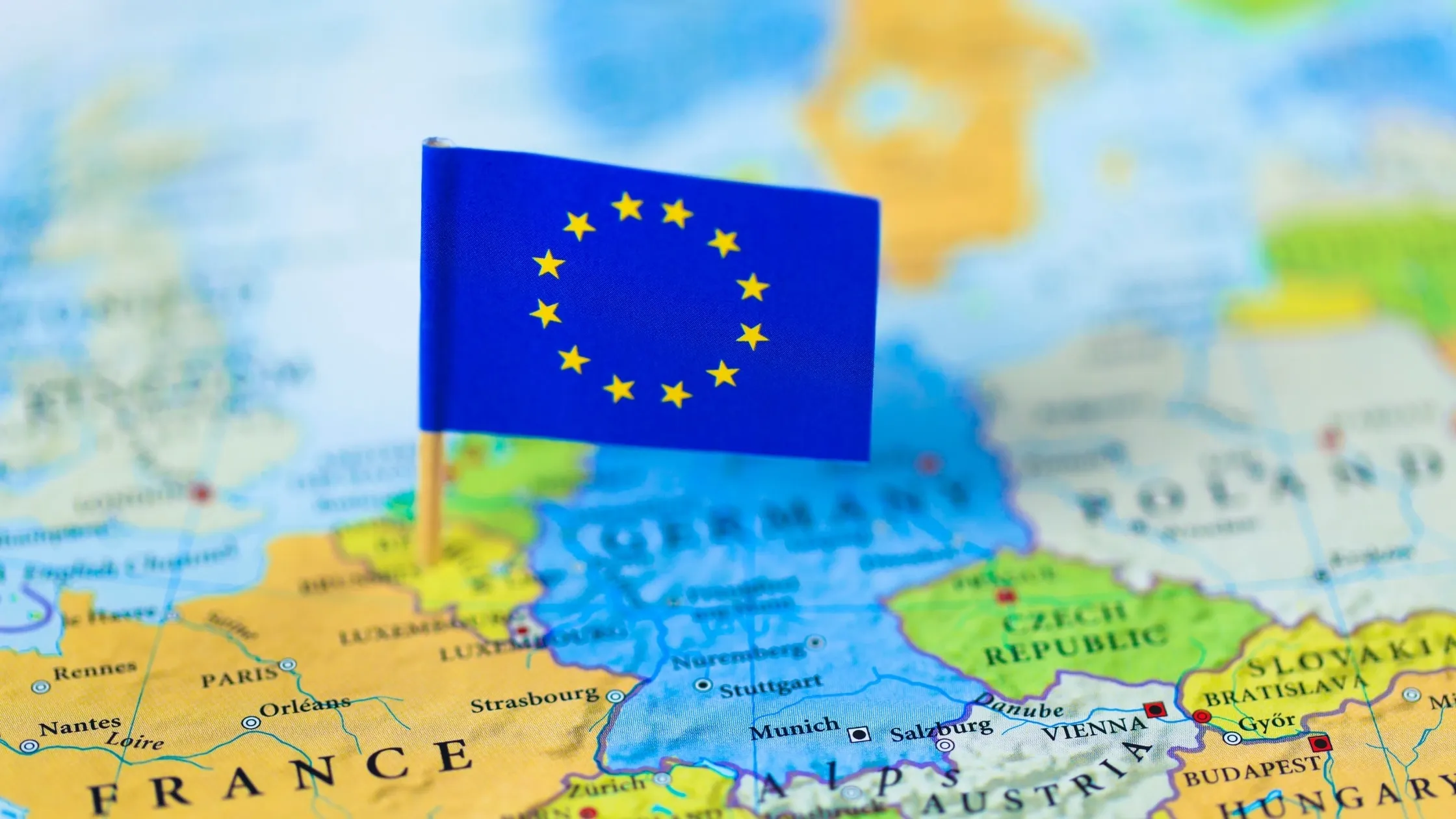
Poland has become an increasingly important business and investment destination in Europe. Its large domestic market, growing economy, skilled workforce, and strategic position between Western and Eastern Europe make it an attractive location for both local and international companies.
The country offers opportunities across sectors such as technology, manufacturing, logistics, e-commerce, and business services. Poland’s access to the European Single Market also provides companies with opportunities to expand beyond the domestic market.
For entrepreneurs looking for a combination of market size, growth potential, and access to European customers, Poland can be a compelling choice in 2026.
Germany: Europe’s Largest Economy for Long-Term Growth
Germany is Europe’s largest economy and one of the world’s leading destinations for international business. Its strong industrial base, advanced infrastructure, skilled workforce, and extensive network of international companies make it particularly suitable for businesses with long-term expansion plans.
Germany is especially attractive for companies operating in manufacturing, automotive, engineering, technology, logistics, and professional services. Its large domestic market and strong connections with other European economies can provide significant opportunities for businesses seeking sustainable growth.
Although company formation and ongoing compliance can be more complex than in some other European countries, Germany’s economic scale and business infrastructure can make it a strong choice for entrepreneurs planning to build a substantial European operation.