


Dubai continues to position itself as one of the most attractive global business hubs in 2026, offering a unique combination of tax advantages, strategic location, and business-friendly regulations. However, one of the most critical decisions every investor must make before entering the UAE market is choosing between Free Zone and Mainland company formation. This choice directly impacts your ownership structure, tax exposure, operational flexibility, and most importantly, your ability to access the local UAE market.
While both structures have evolved significantly in recent years—especially after the introduction of 100% foreign ownership in Mainland and the UAE Corporate Tax system—the differences between Free Zone and Mainland companies are still highly relevant. Understanding these distinctions is essential if you want to build a scalable, compliant, and profitable business in Dubai.
Contact Gurcan Partners Now!What Is a Free Zone in Dubai?
Contents [hide][show]
- 1. What Is a Free Zone in Dubai?
- 2. What Is Mainland Dubai? (2026 Legal and Business Structure)
- 3. ree Zone vs Mainland Dubai: Key Differences
- 4. Corporate Tax in UAE (2026 Impact on Your Decision)
- 5. Which Is Better: Free Zone or Mainland?
- 6. Advantages of Free Zone in Dubai
- 7. Disadvantages of Free Zone in Dubai
- 8. Free Zone Visa vs Mainland Visa
- 9. Best Strategy in 2026: Start Smart, Scale Strategically
- 10. Free Zone vs Mainland Dubai
- 11. Start Your Business in Dubai with Confidence
- 11.1. FAQs about Free Zone in Dubai and Mainland

A Free Zone in Dubai refers to a designated economic area governed by its own regulatory authority, designed specifically to attract foreign investment by offering simplified procedures, tax benefits, and full ownership rights. As of 2026, Free Zones remain one of the most popular entry points for international entrepreneurs due to their cost-efficiency and operational ease.
One of the biggest advantages of Free Zones is that they allow 100% foreign ownership without any requirement for a local partner, which has made them historically attractive. Additionally, many Free Zones offer corporate tax exemptions on qualifying income, along with zero customs duties on imports and exports within the zone, making them ideal for companies engaged in international trade, digital services, or holding structures.
Another key benefit is the speed and simplicity of company setup. In many Free Zones, businesses can be established within just a few days, with minimal paperwork and flexible office solutions such as virtual offices or shared workspaces. This makes Free Zones particularly appealing for startups, freelancers, and businesses looking to enter the UAE market with lower initial investment.
What Is Mainland Dubai? (2026 Legal and Business Structure)

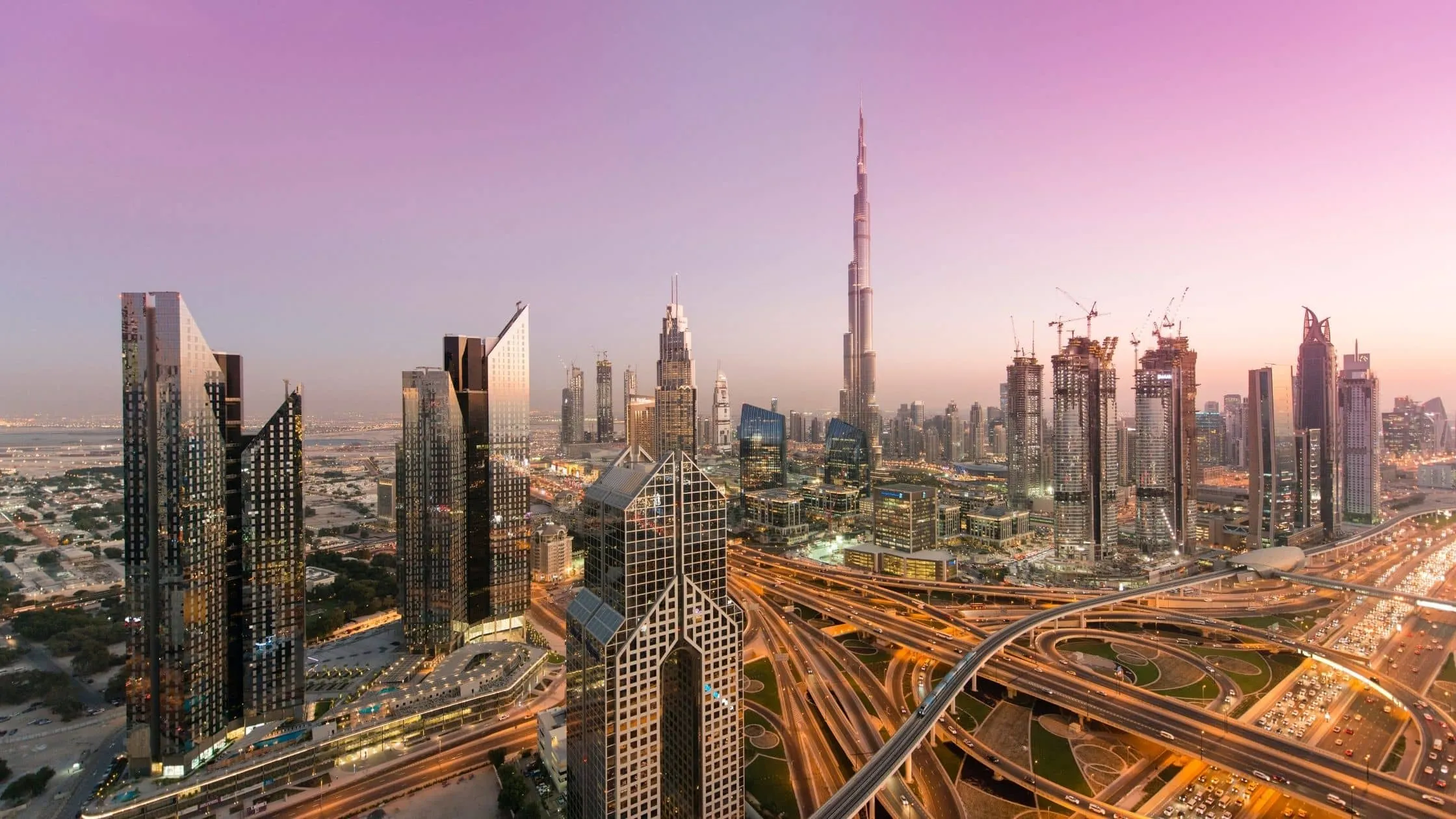
Mainland Dubai refers to companies licensed by the Department of Economy and Tourism (DET), allowing businesses to operate freely across the entire UAE without geographic or commercial restrictions. In 2026, Mainland companies have become significantly more attractive due to regulatory reforms that now allow 100% foreign ownership in most business activities, eliminating the traditional requirement of a local sponsor holding 51% shares.








The key strength of Mainland companies lies in their unrestricted access to the UAE market. Unlike Free Zone entities, Mainland businesses can trade directly with customers anywhere in Dubai and across all emirates, making them the preferred choice for companies targeting local clients, retail operations, or service-based businesses.
Additionally, Mainland companies are eligible to participate in government tenders and contracts, which can be a major growth opportunity, especially in sectors such as construction, consulting, healthcare, and logistics. However, this flexibility comes with more regulatory obligations, including stricter compliance requirements, physical office space mandates, and exposure to the UAE’s corporate tax regime.
ree Zone vs Mainland Dubai: Key Differences
The differences between Free Zone and Mainland companies in 2026 are no longer primarily about ownership, but rather about market access, tax structure, and operational flexibility.
| Feature | Free Zone | Mainland Dubai |
| Ownership | 100% foreign ownership | 100% (most activities) |
| Market Access | Limited within UAE | Full UAE access |
| Setup Speed | Fast & simplified | Moderate |
| Office Requirement | Flexible / virtual options | Physical office required |
| Corporate Tax | 0% (qualifying income) | 9% standard |
| Government Contracts | Not eligible | Eligible |
| Visa Allocation | Limited quotas | Flexible (based on office size) |
| Business Scope | Zone-specific activities | Broad activity range |

Corporate Tax in UAE (2026 Impact on Your Decision)
One of the most important updates affecting business decisions in Dubai is the implementation of UAE Corporate Tax, which has been fully integrated into the system by 2026. Mainland companies are generally subject to a 9% corporate tax on profits exceeding the threshold, while Free Zone companies can still benefit from 0% tax on qualifying income, provided they comply with specific regulatory conditions.
However, it is important to note that Free Zone companies are not entirely tax-free anymore. If they generate income from non-qualifying activities—such as direct business with the UAE mainland—they may also be subject to the 9% tax rate. This makes it essential for businesses to carefully structure their operations and revenue streams depending on their chosen setup.
Which Is Better: Free Zone or Mainland?
The answer depends entirely on your business model, target market, and long-term growth strategy.
If your business is focused on international clients, digital services, consulting, or e-commerce, a Free Zone setup is often the most efficient option due to its lower cost, faster setup, and tax advantages. It allows entrepreneurs to start lean, test their business model, and operate globally without heavy regulatory burdens.
On the other hand, if your goal is to sell products or services directly within the UAE, build a physical presence, or work with government entities, then Mainland is the better choice. It provides full access to the local market and removes the limitations associated with Free Zone operations.
Advantages of Free Zone in Dubai
Free Zones continue to offer a highly attractive environment for foreign investors. The ability to retain full ownership, benefit from tax advantages, and complete company formation quickly makes them ideal for entrepreneurs who want to minimize risk and initial investment. Additionally, reduced bureaucracy and flexible office requirements allow businesses to remain agile and cost-efficient in the early stages.
Disadvantages of Free Zone in Dubai
Despite their advantages, Free Zones come with limitations that can impact long-term growth. The most significant drawback is the inability to trade directly within the UAE market without involving a local distributor or establishing a Mainland branch. This can increase operational costs and reduce control over your business activities.
Furthermore, Free Zones are often industry-specific, meaning your business activity must align with the zone’s licensing categories. Companies also cannot participate in government projects, which may limit expansion opportunities in certain sectors.
Free Zone Visa vs Mainland Visa
Visa structures also differ between the two setups. A Free Zone visa typically restricts employees to working within the issuing company and its designated zone, limiting flexibility. In contrast, a Mainland visa allows individuals to work across different companies and locations within the UAE, offering greater freedom for both employers and employees.
Best Strategy in 2026: Start Smart, Scale Strategically
In 2026, many investors are adopting a hybrid approach: starting their business in a Free Zone to benefit from low costs and simplified setup, then transitioning to Mainland as their operations grow and require access to the UAE market.
This strategy allows businesses to reduce initial risk while maintaining the flexibility to scale into a more comprehensive operational structure when needed. It is particularly effective for startups, digital businesses, and consulting firms looking to expand into the region.
Free Zone vs Mainland Dubai
Choosing between Free Zone and Mainland in Dubai is no longer a simple comparison of ownership benefits. Instead, it is a strategic decision based on how and where you plan to operate your business.
If your focus is on global operations and cost efficiency, Free Zones offer a strong starting point. If your goal is to build a presence within the UAE and access local opportunities, Mainland provides the flexibility and reach required for long-term growth.
Start Your Business in Dubai with Confidence
At Gurcan Partners, we help entrepreneurs and investors navigate the complexities of company formation in Dubai by aligning legal structures with real business goals. Whether you are starting from scratch or scaling your operations, our team ensures that you choose the right setup for sustainable success.

Feel free to reach out to us through the following contact information:
E-MAIL: info [@] gurcanpartners.com
FAQs about Free Zone in Dubai and Mainland
What is the difference between free zone and mainland?
The core difference lies in market access: Mainland companies can operate freely across the UAE, while Free Zone businesses are generally limited to international operations or their designated zone. Although both allow 100% foreign ownership in 2026, Mainland companies are subject to 9% corporate tax, whereas Free Zone companies can still benefit from 0% tax on qualifying income.
What is the difference between Dubai freezone and DED?
Dubai Free Zones operate under their own independent authorities, while DED (Department of Economy and Tourism) licenses and regulates Mainland companies under UAE law. A DED license allows businesses to trade directly within the UAE market, while Free Zone licenses usually restrict local commercial activity.
What is the difference between free zone and onshore?
Onshore (Mainland) companies can conduct business anywhere in the UAE without restrictions, making them suitable for local market operations. Free Zone companies, on the other hand, are primarily structured for international trade and must follow specific rules when engaging with the UAE market.
What is the difference between free zone and offshore in Dubai?
Free Zone companies can operate as active businesses with office presence and visa eligibility, while offshore companies are mainly used for holding assets or international structuring. Offshore entities cannot conduct business within the UAE or obtain residency visas, unlike Free Zone companies.