


Dubai has emerged as a premier destination for international business, attracting entrepreneurs and corporations seeking strategic advantages. Among the various business structures available, the offshore company in Dubai stands out as a popular choice for those looking to optimize their global operations. These entities, registered in designated jurisdictions within Dubai, offer a unique set of benefits, including tax efficiency, asset protection, and enhanced privacy. Understanding the nuances of establishing and managing an offshore company in Dubai is crucial for making informed decisions and maximizing the potential advantages.
An offshore company in Dubai is a legal entity registered in a designated free zone, designed for international operations outside the UAE mainland. These companies offer 100% foreign ownership and are commonly used for activities like global trade, investment holding, and asset protection. They cannot conduct business within the UAE but benefit from favorable tax structures, enhanced privacy, and simplified regulatory requirements.
Contact Now to Establish Offshore Company in Dubai!Key features of an offshore company in Dubai include legal separation from personal assets, limited liability, and minimal reporting obligations. Registration involves working with a licensed agent, submitting required documents, and paying setup and annual renewal fees. Each jurisdiction has its own rules, so selecting the right free zone based on your business goals is essential for long-term efficiency and compliance.
Can I Open An Offshore Company in Dubai?
Contents [hide][show]
- 1. Can I Open An Offshore Company in Dubai?
- 2. How Much Does an Offshore Company Cost in Dubai?
- 3. How to Register An Offshore Company in UAE?
- 4. What is the Difference Between Offshore and Onshore Companies in UAE?
- 5. Benefits of Offshore Company
- 6. Do Offshore Companies Pay Taxes in Dubai?
- 7. How to Open An Offshore Bank Account in Dubai?
- 7.1. 1. Choose the Right Bank
- 7.2. 2. Appoint a Registered Agent
- 7.3. 3. Prepare the Required Documents
- 7.4. 4. Submit the Application
- 7.5. 5. Account Approval and Activation
- 7.6. 6. Ensure Ongoing Compliance
- 7.7. FAQs on Offshore Company in Dubai

Opening an offshore company in Dubai is legally permitted and widely practiced by foreign investors. Free zones such as JAFZA, RAK ICC, and DMCC offer offshore company formation with 100% foreign ownership. To apply, you must meet basic eligibility criteria like having a valid passport and a defined business purpose.
A registered agent handles the application, prepares required documents, and communicates with the free zone authority. After approval, a certificate of incorporation is issued. An offshore company in Dubai can engage in international trade and asset holding but is not allowed to operate within the UAE market.
How Much Does an Offshore Company Cost in Dubai?

The total cost of setting up an offshore company in Dubai depends on the chosen free zone, business activity, and required services. Typically, setup fees range between AED 10,000 and AED 30,000, while annual renewal costs vary from AED 5,000 to AED 15,000. Additional expenses may include legal consultancy, registered agent fees, and documentation services, all of which ensure regulatory compliance during and after company formation.








Beyond registration and renewal, businesses should also consider optional costs such as offshore bank account setup, auditing (if required by the activity), and legal advisory fees. Each offshore company in Dubai has unique needs, so it’s essential to evaluate all potential charges early. A trusted advisor like Gurcan Partners can help you estimate total costs and structure your company efficiently.
How to Register An Offshore Company in UAE?

To register an offshore company in Dubai, the process begins with choosing a suitable free zone such as JAFZA or RAK ICC. After selecting the jurisdiction, you must appoint a licensed registered agent who will handle the application. Required documents typically include passport copies, proof of address, a business plan, and the company’s memorandum of association. These documents are submitted to the free zone authority, which conducts due diligence checks to verify the legitimacy of the shareholders and the business purpose.
Once approved, the offshore company in Dubai receives a certificate of incorporation and must pay the registration and annual renewal fees. Although offshore entities cannot trade within the UAE, they are ideal for holding assets, international trade, and tax planning. Maintaining proper records and complying with anti-money laundering regulations is essential. Professional guidance ensures a smooth setup and long-term compliance with UAE regulations.
What is the Difference Between Offshore and Onshore Companies in UAE?
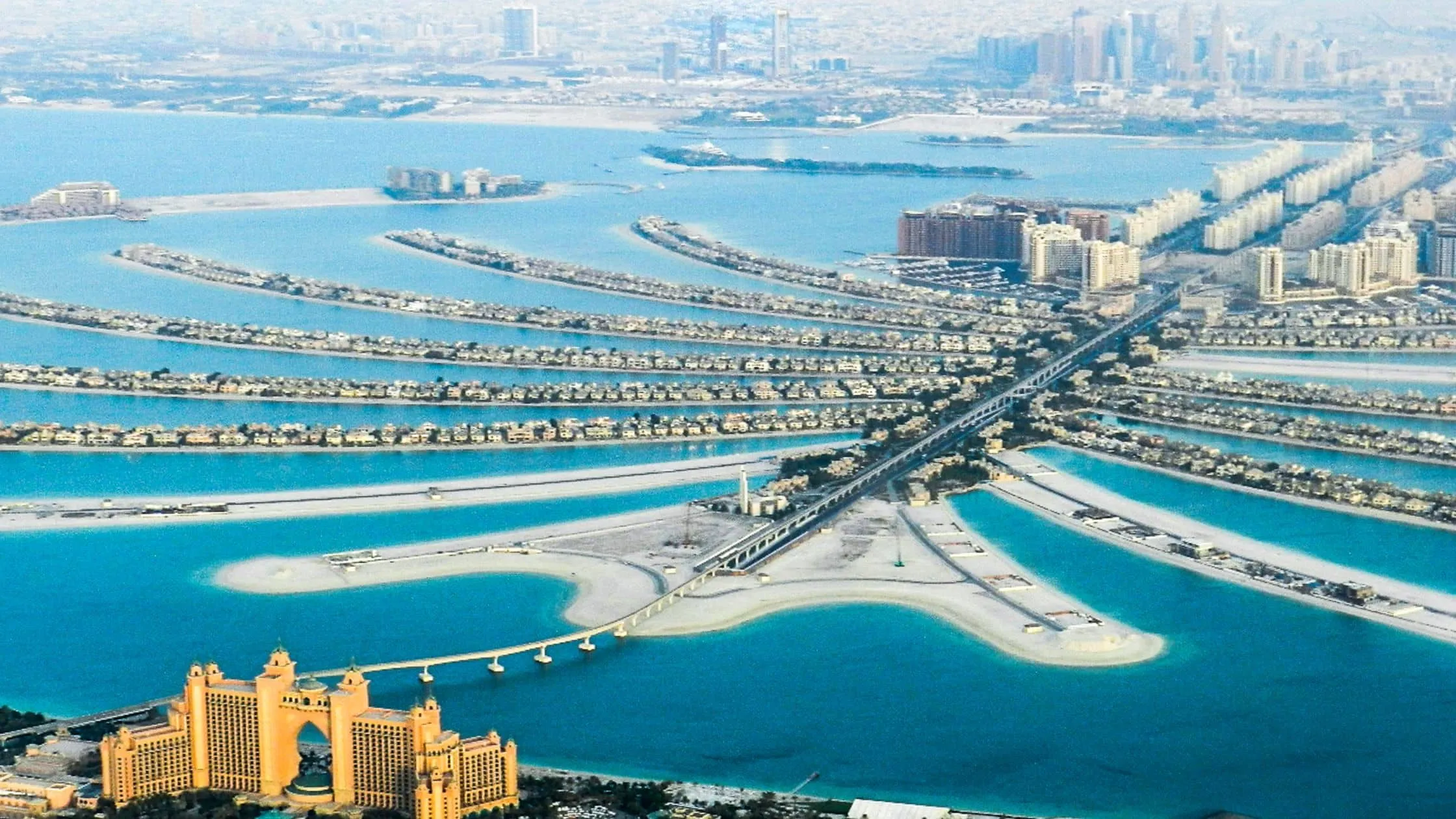
The main difference between onshore companies and an offshore company in UAE lies in their operational scope, ownership rules, and tax structure. Onshore companies, registered under UAE Commercial Companies Law, can do business within the UAE and are subject to local corporate tax, labor laws, and often require a UAE national as a 51% shareholder. In contrast, an offshore company in Dubai operates only outside the UAE market, allows 100% foreign ownership, and generally benefits from full exemption from UAE corporate tax.
Offshore structures also offer more privacy and lighter regulatory requirements, as they are not obligated to submit audited financial statements unless specified. However, they must still comply with international anti-money laundering standards and maintain transparent records. Choosing between an onshore or offshore company in Dubai depends on your target market, compliance preferences, and long-term business goals.
Benefits of Offshore Company
Setting up an offshore company in Dubai offers multiple advantages for entrepreneurs looking to optimize costs and expand globally.
- Tax optimization: Many offshore zones offer 0% corporate tax, reducing the overall tax burden.
- Asset protection: Helps safeguard personal assets from business liabilities and legal risks.
- Confidentiality: Owner and shareholder identities remain protected under privacy-focused regulations.
- Regulatory ease: Fewer compliance requirements mean smoother, faster business operations.
- Global access: Enables international trade, foreign investment structuring, and banking flexibility.
- Enhanced reputation: Operating from Dubai boosts trust and credibility with global partners.
While an offshore company in Dubai offers flexibility and savings, it’s important to follow legal guidelines and consult experts to maximize benefits with full compliance.
Do Offshore Companies Pay Taxes in Dubai?
An offshore company in Dubai is usually exempt from UAE corporate tax, as long as it does not earn income within the UAE. However, it must still comply with international tax laws, maintain proper records, and may be subject to VAT or withholding tax depending on its activities and chosen free zone.
How to Open An Offshore Bank Account in Dubai?
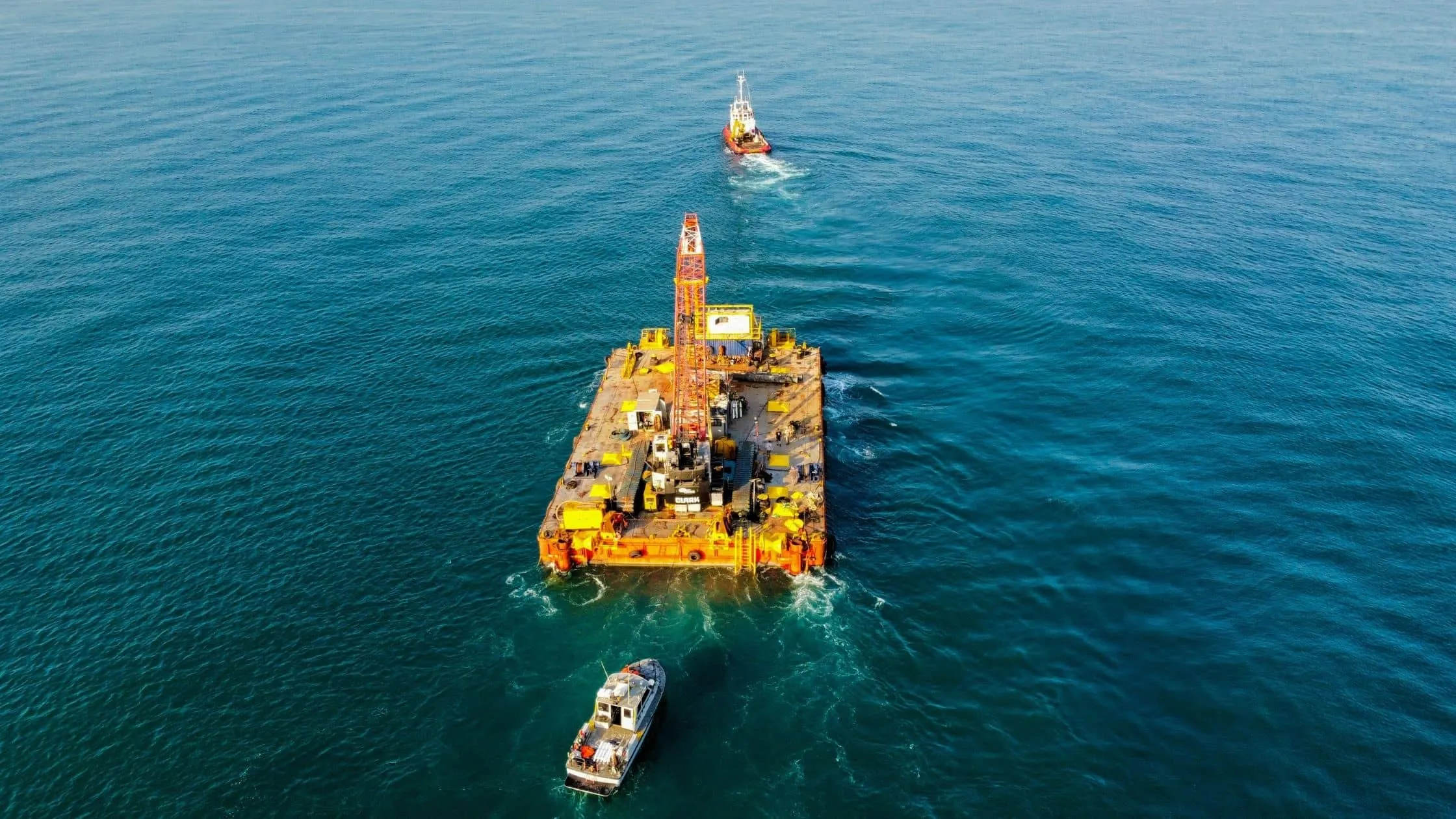
To open an offshore bank account in Dubai, you must first have a legally registered offshore company typically through jurisdictions like JAFZA or RAK ICC. After incorporation, the company must prepare a set of documents including the certificate of incorporation, Memorandum and Articles of Association, a business plan, proof of address for shareholders, passport copies, and in some cases, bank reference letters. Some banks may also request a personal visit or an interview with company directors depending on the risk profile.
The next step is to choose a UAE-based bank that accepts offshore entities, as not all banks provide this service. Once the application is submitted, the compliance team reviews it for due diligence. If approved, the account can be opened within 2–4 weeks. Offshore bank accounts in Dubai often support multi-currency operations and remote banking, making them ideal for global business activities. However, strict KYC policies apply due to international banking regulations.
1. Choose the Right Bank
Select a reputable and financially stable bank that provides services tailored to offshore company in Dubai structures. Prioritize institutions offering:
- Multi-currency accounts
- Online banking access
- Trade finance support
2. Appoint a Registered Agent
Work with a professional or a consulting firm such as Gurcan Partners to facilitate the process of setting up an offshore company in Dubai and ensure compliance.
3. Prepare the Required Documents
Typical documents requested in the process of setting up an Offshore company in Dubai are:
- Certificate of Incorporation
- Memorandum and Articles of Association
- Passport copies of shareholders/directors
- Proof of address and source of funds
4. Submit the Application
The bank will perform due diligence, verify the legitimacy of the offshore company in Dubai, and assess the risk level.
5. Account Approval and Activation
Once approved, you’ll receive login credentials and account details. From this point, your offshore company in Dubai can begin handling transactions globally.
6. Ensure Ongoing Compliance
Comply with UAE’s strict anti-money laundering laws:
- Keep financial records accurate
- Report suspicious transactions
- Cooperate with audits or regulatory checks if required.
Opening an offshore bank account in Dubai may vary slightly depending on the selected bank and business structure. Consulting an experienced advisor like Gurcan Partners helps avoid delays and ensures compliance.

Feel free to reach out to us through the following contact information:
E-MAIL: info [@] gurcanpartners.com
FAQs on Offshore Company in Dubai
What is the difference between offshore and Freezone company in Dubai?
An offshore company in Dubai is established for international operations and cannot conduct business within the UAE. In contrast, a Freezone company can operate within its designated Freezone and has limited rights to do business in the UAE. Freezones also provide office facilities and visa eligibility, while offshore setups focus on privacy and lower costs.
Which is the cheapest offshore company in UAE?
RAK ICC (Ras Al Khaimah International Corporate Centre) is known as the most affordable offshore jurisdiction in the UAE. Company formation here typically starts at around $1,200, depending on the agent and service package selected.
Can an offshore company buy property in Dubai?
Offshore companies are generally not allowed to buy property in Dubai unless they are registered through specific jurisdictions like JAFZA. Even then, property purchases are restricted to approved areas and require additional permissions.
Does Dubai have offshore company options?
Yes, Dubai offers offshore company formation options through JAFZA Offshore. It is among the limited offshore jurisdictions directly associated with Dubai and provides international business structuring advantages.
Is Dubai an offshore jurisdiction?
Dubai itself is not officially classified as an offshore jurisdiction. However, it hosts JAFZA Offshore, while other emirates such as Ras Al Khaimah and Ajman provide additional offshore options like RAK ICC and Ajman Offshore.
Is Dubai tax free for businesses?
Dubai is no longer fully tax-free. Since 2023, a 9% corporate tax applies to businesses earning over AED 375,000 annually, though some Freezone and offshore companies may still benefit from exemptions based on eligibility.
What is the cheapest offshore company in Dubai?
JAFZA Offshore is the main offshore structure available directly in Dubai. Setup costs start around $3,000, offering Dubai-related benefits despite being more expensive than RAK-based options.
How much do companies pay in Dubai?
Companies in Dubai pay a 9% corporate tax on net profits exceeding AED 375,000 per year. Additionally, businesses may be subject to 5% VAT depending on the nature of their commercial activities.