


Dubai has become one of the most attractive destinations in the world for franchise investment, offering a dynamic business environment, strong consumer demand, and strategic access to markets across the Middle East, Africa, and Asia. With its tax-friendly regulations, modern infrastructure, and rapidly growing retail and hospitality sectors, the city provides ideal conditions for international brands and entrepreneurs looking to expand through franchising. Whether in food and beverage, retail, fitness, or service industries, launching a franchise in Dubai presents significant growth potential for both established investors and first-time business owners seeking a stable yet highly scalable market.
Contact Gurcan Partners Now!Why Dubai Is a Global Hub for Franchise Businesses
Contents [hide][show]
- 1. Why Dubai Is a Global Hub for Franchise Businesses
- 2. What Is a Franchise Business Model?
- 3. Can Foreigners Open a Franchise in Dubai?
- 4. Best Franchise Opportunities in Dubai
- 5. Legal Requirements for Opening a Franchise in Dubai
- 5.1. Trade License Requirements
- 5.2. Franchise Agreement Structure
- 5.3. Choosing Between Mainland and Free Zone
- 5.4. Trademark Registration
- 5.5. Industry-Specific Approvals
- 5.6. Visa and Employment Requirements
- 6. Step-by-Step Guide to Starting a Franchise in Dubai
- 6.1. Choosing the Right Franchise Brand
- 6.2. Market Research and Evaluation
- 6.3. Signing the Franchise Agreement
- 6.4. Choosing the Company Structure
- 6.5. Applying for a Trade License
- 6.6. Selecting a Location and Setting Up Operations
- 6.7. Completing Approvals and Legal Requirements
- 6.8. Visa Processing and Business Launch
- 7. Mainland vs Free Zone: Which Is Better for Franchises?
- 8. Cost of Opening a Franchise in Dubai
- 9. Taxes and Financial Advantages in Dubai
- 10. How Long Does It Take to Open a Franchise in Dubai?
- 10.1. Frequently Asked Questions About Franchising in Dubai
Dubai has positioned itself as one of the world’s leading destinations for franchise expansion, driven by its strong economic stability, investor-friendly regulations, and continuously growing consumer market. The city acts as a bridge between East and West, giving franchise brands direct access to millions of potential customers across the Middle East, North Africa, and South Asia.
One of the key factors behind this growth is Dubai’s business-friendly ecosystem, which includes simplified company setup procedures, modern infrastructure, and competitive tax advantages. These conditions make it significantly easier for international brands to enter the market and scale quickly.
In addition, Dubai’s population is highly diverse, with a large expatriate community that actively drives demand for global brands, especially in sectors such as food and beverage, retail, fitness, and personal services. Combined with strong purchasing power and a tourism-driven economy that attracts millions of visitors each year, this creates a consistent demand for well-established franchise concepts.
What Is a Franchise Business Model?
A franchise business model is a commercial arrangement in which a business owner (the franchisor) grants another party (the franchisee) the right to operate a business using its brand name, systems, products, and operational know-how. In return, the franchisee typically pays an initial franchise fee and ongoing royalties.
This model allows entrepreneurs to run a business with an already established brand reputation and proven operational structure, significantly reducing the risks associated with starting a business from scratch.








Can Foreigners Open a Franchise in Dubai?
Yes, foreigners can open a franchise in Dubai, and the city is particularly known for being highly welcoming to international investors. In many cases, foreign entrepreneurs can own 100% of their franchise business, especially when setting up in Free Zones or under specific Mainland business structures that allow full ownership.
However, the requirements may vary depending on the business activity and location. Some Mainland setups may still require local approvals or specific licensing conditions. Despite this, Dubai’s regulatory environment is designed to encourage foreign investment, making it relatively straightforward for international brands and investors to enter the market.
Best Franchise Opportunities in Dubai
Dubai offers a wide range of profitable franchise opportunities across multiple high-growth sectors. Some of the most popular and successful categories include:
- Food & Beverage (F&B): Fast food chains, cafés, and specialty restaurants perform extremely well due to high consumer demand and tourism traffic.
- Coffee Shops: Premium coffee brands and boutique café concepts are especially popular in urban and commercial areas.
- Retail Franchises: Fashion, beauty products, and lifestyle stores benefit from Dubai’s strong shopping culture.
- Health & Fitness: Gyms, wellness centers, and personal training studios are in high demand as health awareness continues to grow.
- Education & Training: Language centers, early education franchises, and skill development institutes attract steady demand from the expatriate population.
These sectors remain attractive because they align with Dubai’s lifestyle-driven economy, high spending power, and international consumer base.
Legal Requirements for Opening a Franchise in Dubai
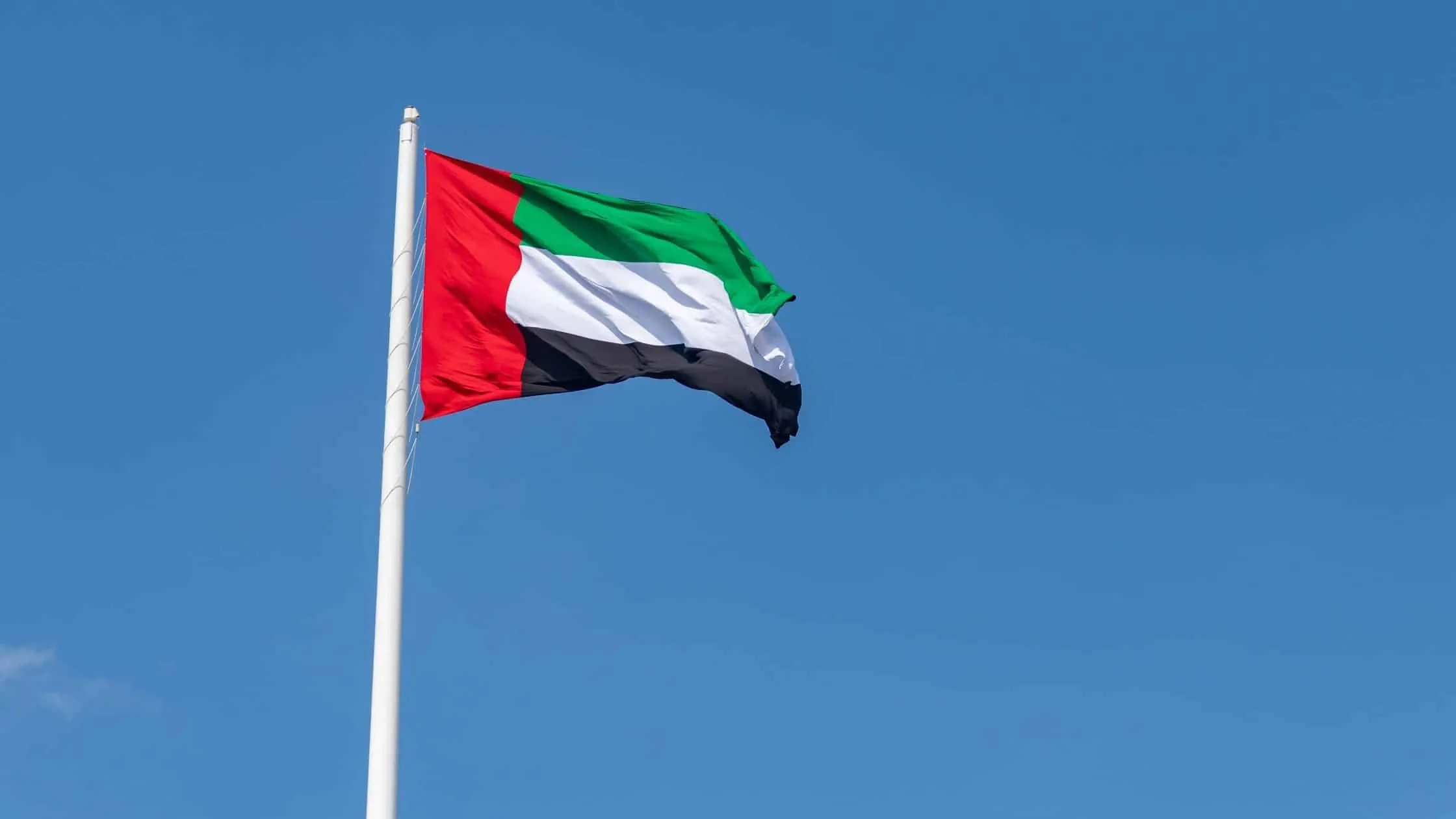
Opening a franchise in Dubai involves following a clear set of legal procedures designed to regulate business activity and protect both investors and brand owners.
Trade License Requirements
Opening a franchise in Dubai starts with obtaining a valid trade license from the relevant authorities. The type of license depends on the nature of the franchise business and its operational structure. Depending on the activity, investors may need a commercial, professional, or industrial license. This license is essential for legally operating any business within the UAE and forms the foundation of the entire setup process.
Franchise Agreement Structure
The franchise agreement is one of the most critical legal documents in the entire process. It defines the relationship between the franchisor and the franchisee and sets out the rights and responsibilities of both parties. This includes brand usage rights, territorial limitations, royalty payments, operational standards, and contract duration. Since it determines how the business will operate, it must be carefully reviewed and fully compliant with UAE regulations.
Choosing Between Mainland and Free Zone
Another important legal consideration is selecting the appropriate company structure. A Mainland setup allows businesses to operate freely across Dubai and the wider UAE market, offering greater flexibility. A Free Zone setup, on the other hand, provides benefits such as simplified incorporation procedures and full foreign ownership, although it may restrict direct trading within the mainland market depending on the license type.
Trademark Registration
Protecting the brand is a key legal requirement when opening a franchise. Trademark registration in the UAE ensures that the brand name, logo, and identity are legally protected against misuse or duplication. This step is especially important for international franchises entering the Dubai market, as it secures intellectual property rights within the country.
Industry-Specific Approvals
Certain franchise sectors require additional approvals depending on the nature of the business. Industries such as food and beverage, healthcare, and education are subject to stricter regulatory oversight and must comply with specific health, safety, and operational standards set by local authorities. These approvals ensure that the business meets all required legal and quality standards.
Visa and Employment Requirements
Once the franchise is established, business owners and employees must obtain the necessary residency visas and work permits. These are typically sponsored by the company after the trade license is issued. This step is essential for legally living and working in Dubai and completing the operational setup of the franchise business.
Step-by-Step Guide to Starting a Franchise in Dubai
Starting a franchise in Dubai is a structured process that requires careful planning, the right legal setup, and a clear understanding of the local market. While the city offers strong opportunities for investors, success depends on following each step correctly—from choosing the right brand to completing all licensing and operational requirements.
Choosing the Right Franchise Brand
The process begins with selecting a franchise that fits your budget, industry experience, and target audience. In a competitive market like Dubai, choosing a strong and proven brand significantly increases your chances of success.
Market Research and Evaluation
Before committing, it is essential to analyze market demand, competition, and profitability. At this stage, investors also review the franchisor’s reputation, support system, and long-term growth potential.
Signing the Franchise Agreement
Once a decision is made, the franchise agreement is reviewed and signed. This contract defines key terms such as fees, royalties, territory rights, operational standards, and the duration of the partnership.
Choosing the Company Structure
The next step is deciding between a Mainland or Free Zone setup in Dubai. This choice affects ownership structure, market access, and operational flexibility within the UAE.
Applying for a Trade License
After determining the structure, a trade license must be obtained from the relevant authorities in Dubai. This license is mandatory for legally operating any franchise business in the country.
Selecting a Location and Setting Up Operations
If the franchise requires a physical presence, a suitable commercial location is secured. The space is then designed and prepared according to the brand’s operational and visual standards.
Completing Approvals and Legal Requirements
Depending on the industry, additional permits may be required, especially in regulated sectors like food, healthcare, or education. These approvals ensure compliance with local laws and safety standards.
Visa Processing and Business Launch
The final step involves obtaining residency visas for owners and staff. Once all legal and operational steps are completed, the franchise is officially launched and ready to operate in the Dubai market.
Mainland vs Free Zone: Which Is Better for Franchises?
Choosing between Mainland and Free Zone structures in Dubai depends largely on the nature of the franchise and its expansion strategy. A Mainland setup allows businesses to operate freely across the entire UAE market without geographical restrictions. This makes it an ideal choice for franchises that rely on physical presence and direct customer interaction, such as restaurants, retail stores, and service-based businesses. Mainland companies are regulated by local authorities in Dubai and offer greater flexibility in terms of expansion within the domestic market.
On the other hand, Free Zone setups are designed to attract foreign investors by offering benefits such as full foreign ownership, tax advantages, and simplified company formation procedures. However, Free Zone companies may face limitations when it comes to directly trading within the UAE mainland market unless they work through a distributor or obtain additional approvals. This structure is often preferred by consultancy-based franchises, e-commerce models, and businesses that do not require a physical retail presence across the city.
Cost of Opening a Franchise in Dubai
Opening a franchise in Dubai requires a structured investment that varies significantly depending on the brand, industry, and business model. One of the main components is the initial franchise fee, which is paid to the franchisor for the right to use the brand, systems, and operational model. In addition to this, investors must also consider company setup costs, which include trade license fees, registration charges, and government approvals in Dubai.
Another major expense is the commercial space, which can range from retail stores in high-traffic malls to standalone locations on main streets. Rental costs in Dubai are generally higher in prime business districts, and location choice plays a critical role in overall profitability. Operational costs such as staff salaries, training, equipment, and interior setup also contribute to the total investment. Depending on the franchise type, the total cost can vary from relatively modest service-based models to high-capital restaurant or retail brands.
Taxes and Financial Advantages in Dubai
One of the key advantages of setting up a franchise in Dubai is its highly favorable tax environment. The city offers a low-tax structure compared to many global markets, making it attractive for international investors. Corporate tax policies are designed to remain competitive, and many Free Zone structures provide additional tax incentives, especially for qualifying business activities.
Additionally, the UAE has a wide network of double taxation agreements, which helps prevent investors from being taxed twice on the same income in different jurisdictions. The presence of a stable currency, a strong banking system, and ease of profit repatriation further enhances Dubai’s appeal as a franchise hub.

How Long Does It Take to Open a Franchise in Dubai?
The timeline for opening a franchise in Dubai typically depends on the complexity of the business structure and the type of approvals required. On average, the process can take anywhere from a few weeks to a few months. Simple service-based franchises with standard documentation may be set up relatively quickly, while more complex retail or food and beverage businesses often require additional regulatory approvals, which can extend the timeline.
The process includes franchise agreement finalization, company registration, trade license issuance, and visa processing, each of which contributes to the overall duration. Delays can sometimes occur due to documentation requirements or industry-specific approvals, but Dubai’s streamlined business setup system is generally designed to support fast and efficient market entry for investors.
Frequently Asked Questions About Franchising in Dubai
Can I sell my franchise business later?
Yes, franchise businesses can usually be sold or transferred to another investor. In most cases, the franchisor must approve the new buyer.
Do I need business experience to buy a franchise?
Business experience is not always required, but it is highly recommended for better results. Most franchisors also provide training and ongoing operational support.
Can I open more than one franchise location?
Yes, many investors expand by opening multiple branches after the first one becomes successful. However, each new location typically requires approval from the franchisor.
Are franchise contracts always the same in Dubai?
No, franchise agreements are customized and vary from brand to brand. Terms such as fees, territory rights, and duration are negotiated individually.